Evening Lighting
Warm, dim lighting in the hours before rest helps signal to your body that the day is winding down. Reducing blue-light exposure and embracing softer tones creates a visual atmosphere that supports relaxation.
Learn more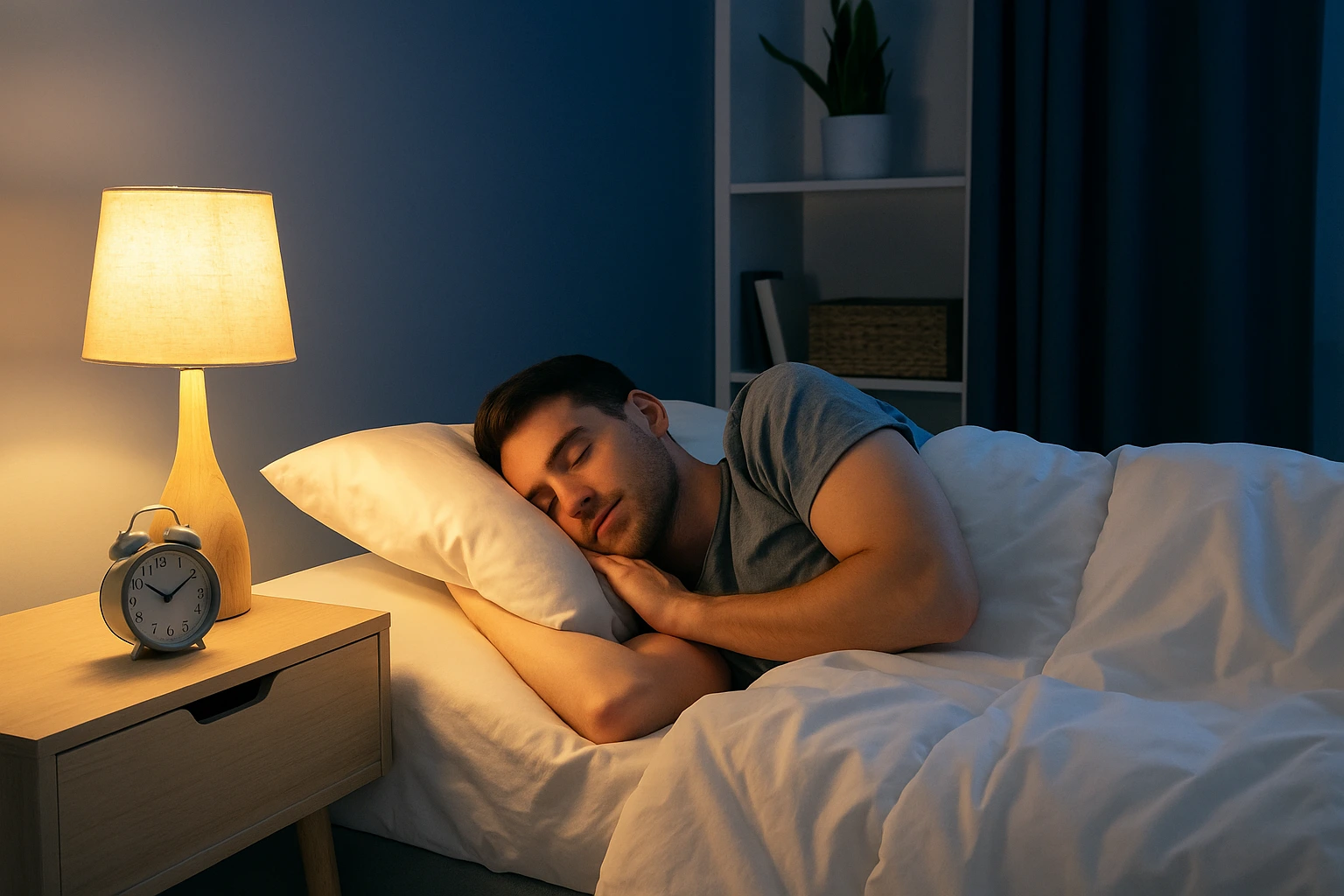
Sleep Environment Optimization
Explore gentle approaches to shaping your evening environment — through softer lighting, quieter soundscapes, and mindful daily habits.
Educational wellness content only. We do not provide medical services, diagnosis, or guaranteed outcomes.
Three Pillars
A calmer sleep space begins with attention to three interconnected elements of your surroundings.
Warm, dim lighting in the hours before rest helps signal to your body that the day is winding down. Reducing blue-light exposure and embracing softer tones creates a visual atmosphere that supports relaxation.
Learn moreThe sounds around you deeply influence how easily you transition into rest. Reducing noise disruptions and introducing gentle ambient sounds can make your bedroom a more peaceful space.
Learn moreSmall adjustments to your evening routine — like reducing screen time, enjoying a warm drink, or gentle stretching — create a natural rhythm that eases the transition from day to night.
Learn moreInteractive Tool
Select the state that best describes your typical evening to receive personalized environment suggestions.
Choose an option above to see tailored suggestions for your evening environment.
Environment Guide
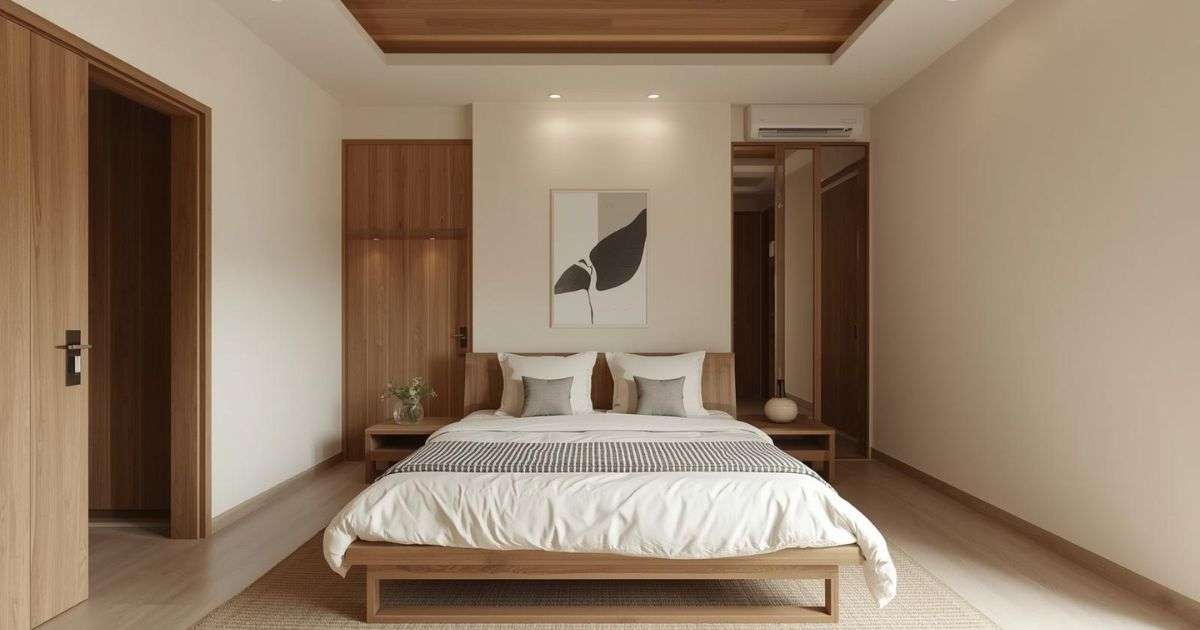
Your sleep environment is shaped by many interconnected factors. Understanding how lighting, sound levels, temperature, and textiles interact can help you create a space that naturally supports relaxation.
Getting Started
Begin your journey toward a calmer evening environment with these foundational adjustments.
Take stock of your current bedroom environment — lighting sources, noise levels, and comfort factors.
Switch to warmer, dimmer lighting in the evening hours. Consider blackout curtains for deeper darkness.
Identify and reduce noise disruptions. Introduce gentle ambient sounds if helpful.
Establish a consistent evening wind-down period with calming activities you enjoy.
Experiences
Perspectives from individuals exploring calmer evening environments. Individual experiences may vary.
"Adjusting my evening lighting was a simple change for me, and it helped my bedroom feel calmer in the evenings."
"I had not realized how much background noise affected my evenings. The ambient sound tips were practical and easy to try."
"The routine suggestions helped me build a more consistent wind-down pattern over time."
Common Questions
Explore our guides and start shaping a more peaceful sleep environment, one gentle step at a time.
Start with the GuideTransparency
This website provides general educational guidance about sleep environment and evening routine habits for adults. Content is informational and is not individualized healthcare advice.
We aim to keep our pages clear, evidence-aligned, and non-misleading. If you have medical concerns, persistent sleep difficulties, or symptoms that affect daily life, please consult a licensed healthcare professional.
You can contact us at any time via our Contact page. For legal information, see our Privacy Policy, Cookie Policy, and Terms of Use.